


Raising capital is one of the biggest challenges for small businesses, but it’s a necessary step if you want to grow and scale your operations.
Crowdfunding is one method of raising capital that has grown in popularity over the last few decades, with an estimated $1.4 billion raised globally in 2023 alone.
But how does crowdfunding actually work? And how can you tell if it’s suitable for your company’s capital-raising needs?
In this guide, we’ll discuss the different types of crowdfunding, as well as whether it’s the right move for your business.
What Is Crowdfunding?
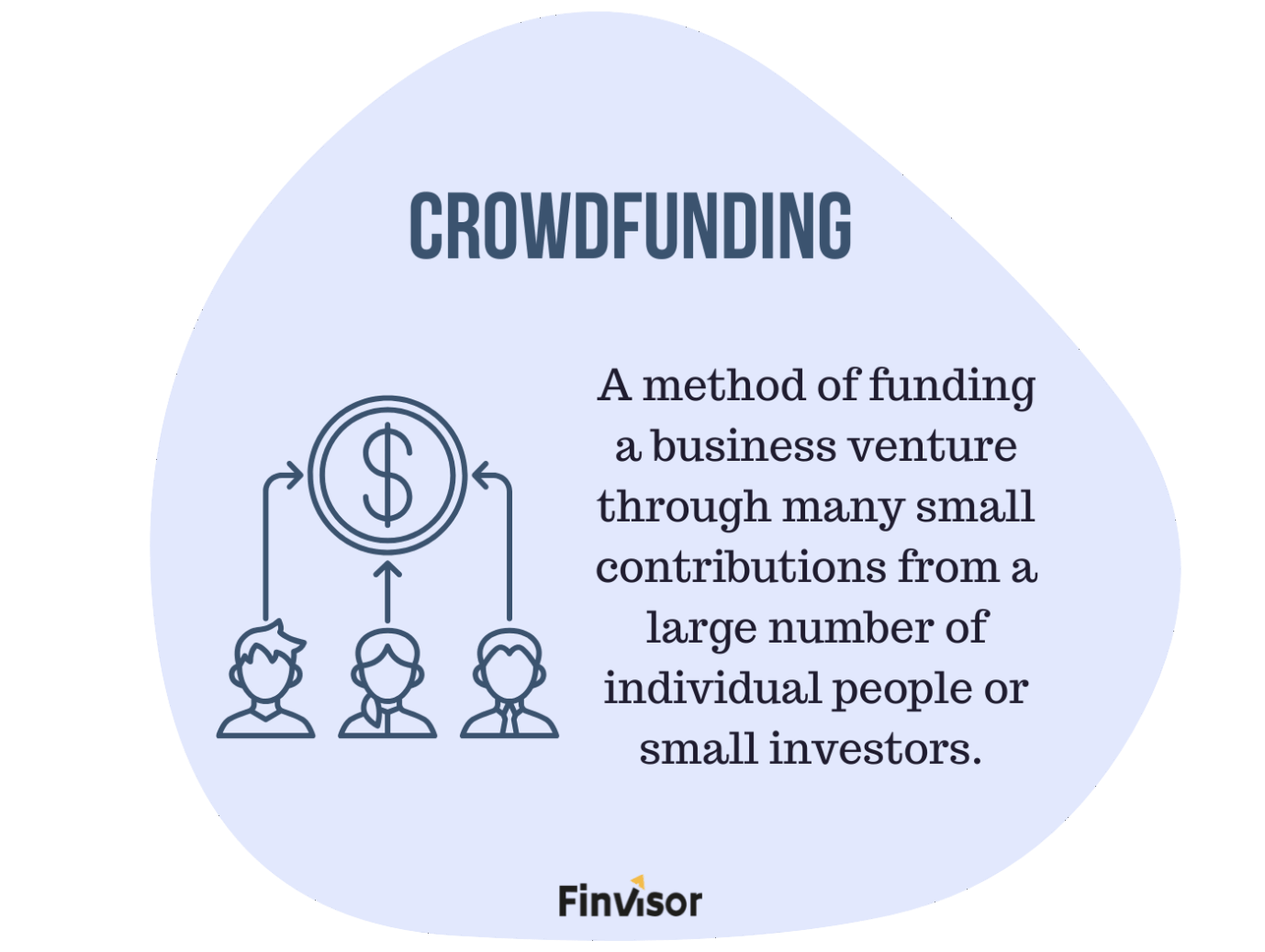
Crowdfunding is a method of funding a business venture through many small contributions from a large number of individual people or small investors.
This approach can help build enough capital to fund a new product or launch a new startup.
Crowdfunding also comes with a lot of benefits, especially for innovative new businesses that can connect with their audience over social media:
- Easier access to capital: Some startups and small businesses struggle to secure enough funding from traditional sources like banks, which often require credit checks. Crowdfunding gives them an alternative path by letting them raise smaller amounts directly from supporters.
- Less financial risk: Crowdfunding doesn’t require you to give up equity or take on a large amount of debt.
- Ability to gauge interest: By presenting a prototype to your audience and running a successful campaign, it can demonstrate to you and potential future investors that there is demand for your product.
- Outreach and publicity: A successful crowdfunding campaign doesn’t just raise capital. It also helps you build up your brand through media coverage, shares and likes. Some of the most successful campaigns on Kickstarter have far exceeded their original goal, raising thousands or even millions of dollars.
- Ability to build your customer base: Crowdfunding allows you to build your brand and attract new customers. People who support you often continue to be loyal customers in the future.
There are four main types of crowdfunding. Let’s look at each, as well as the potential advantages and disadvantages for your business.
Reward-Based Crowdfunding
Reward-based crowdfunding is one of the most popular types, with platforms like Kickstarter hosting thousands of projects each year. It works by offering incentives to people who give you financial support.
Many campaigns offer multiple tiers of rewards, helping attract both small and large investors. For example, a software company producing a new video game may offer rewards such as copies of the game, add-on content, early bird discounts and physical merchandise like stickers and art.
Advantages
Reward-based campaigns allow you to interact directly with the people who are most interested in your product and business. You can easily give them updates and keep them informed as you gain capital and move the project along.
Plus, people like knowing that they’re getting something that’s worth their money. Well-thought-out reward tiers can help encourage your target market to invest a small amount into your project in exchange for a product they really want.
Disadvantages
Reward-based crowdfunding requires significant effort on your end. While rewards are exciting to investors, they also reduce the amount of liquid funding you will end up with once the campaign finishes.
In addition, fulfilling rewards in an organized and timely manner once the campaign is done may become a source of stress.
Donation-Based Crowdfunding
This type of crowdfunding involves sourcing donations from supporters who are interested in your business.
Since donors contribute money purely out of a desire to support you and what you’re doing, it does not involve any type of reward or repayment of funds.
As such, it’s frequently used by startups, nonprofits and organizations that have some sort of charitable mission.
Advantages
Earning capital through this method means you don’t have to repay donors or fulfill rewards. It can also show future investors that there is a market for your organization.
Disadvantages
Donation-based crowdfunding isn’t suitable for every type of business. Without a compelling mission or a charitable goal, it may be difficult to obtain a significant amount of donations.
Debt-Based Crowdfunding
Debt-based crowdfunding allows investors to act as lenders, giving your business money in exchange for future repayment with interest. You as the business owner will specify when the money will be paid back.
This method is typically done on online platforms that specialize in debt crowdfunding.
Advantages
Debt crowdfunding can be a good alternative for businesses struggling to get traditional bank loans.
Additionally, it enables you to set your own loan agreement conditions, which could give you better interest rates and repayment timelines than traditional loans.
Disadvantages
This is the only type of crowdfunding that requires you to repay the money. Moreover, interest payments can put a strain on your cash flow over time.
Equity-Based Crowdfunding
Equity-based crowdfunding gives investors a financial stake in your company in exchange for funding. Potential investors need to feel confident that your business is going to succeed in the long run, as their money is on the line.
This type of funding is good for companies that want to raise larger amounts of money and don’t mind giving up a partial stake in their company. A new Regulation Crowdfunding standard set in 2021 enables a business to raise a maximum of $5 million during a 12-month period.
Advantages
Unlike other types of crowdfunding, equity crowdfunding gives you long-term support from investors.
It also has the potential to give you the highest amount of capital. Because your investors have a stake in your company, they are actively interested in your long-term growth and success.
Disadvantages
Giving away ownership of your company in exchange for capital is a significant disadvantage for many business owners, who prefer to remain in total control of their operations.
Is Crowdfunding Right For Your Business?
Many startups and small businesses use crowdfunding to raise capital. But it’s not the right choice for every business.
Always do your research or consult with a financial advisor before launching a campaign.
Crowdfunding may be right for you if:
- Your business offers goods like consumer products, technology or art. Take a look at crowdfunding platforms to see what campaigns have been successful in the past.
- Your business and products are appealing to a wide audience and have an immediately recognizable value.
- You have a compelling story that will draw customers in.
- You’re seeking capital to produce a specific product.
- You’re seeking smaller amounts of funding, typically less than a few hundred thousand dollars.
Crowdfunding may not be right for you if:
- Your business focuses on a B2B market, is very niche or otherwise appeals to a very limited market.
- Your business is established and has already built a name for itself.
- You’re seeking larger amounts of funding, in the range of hundreds of thousands or millions of dollars.
- You don’t have the time or marketing skills to set up a compelling campaign that will attract investors.
If you’re looking to raise capital through crowdfunding, or if you’re not sure if it’s right for you, talk to the experts.
At Finvisor, our team of professionals is ready to help you secure the capital you need for your growing business. Get in touch today and learn how we can help you reach your goals.

Let's chat
Get on our calendar for a free introductory call.Find out what it's like to work with Finvisor and how we can help you reach your business goals. Our financial advisors work hard for your business across our full suite of accounting and reporting services.
Request a Quote
We'll get back to you within a business day, usually sooner. Or you can schedule an introductory call and get on our calendar."*" indicates required fields
